Case Study
Portable communications systems for field and disaster environments
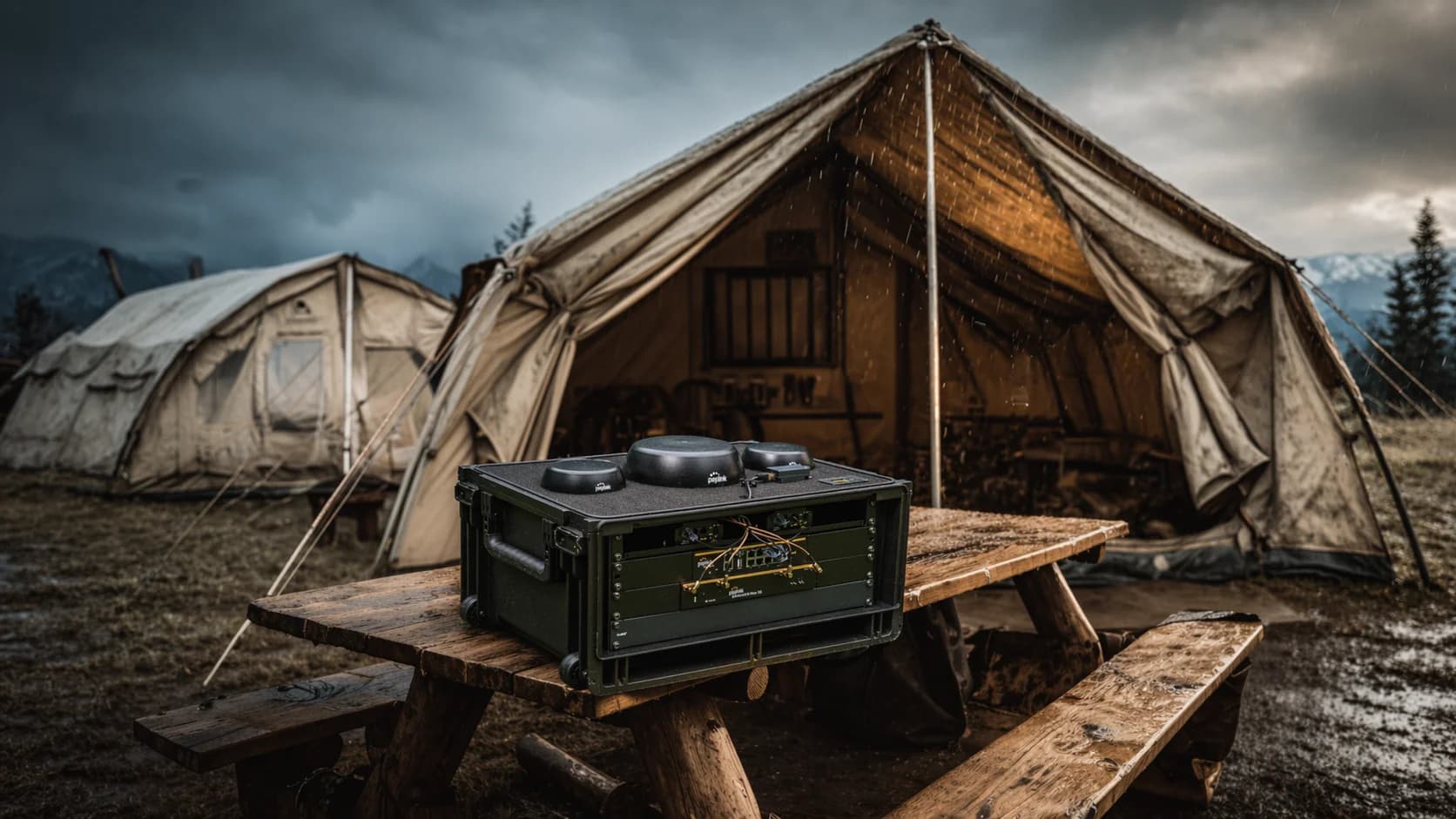
Build: integrated, field-ready communications hardware - cellular and satellite with intelligent failover - demonstrating the same systems discipline applied when something must exist in the real world.
Context
Clients operating in public safety, disaster response, and remote environments required reliable communications in locations where traditional infrastructure was unavailable or unreliable.
The challenge was to deliver systems that could be rapidly deployed, operate independently, and maintain connectivity under unpredictable conditions.
Approach
We focused on designing self-contained, field-ready systems that integrate multiple connectivity options and can be deployed with minimal setup.
The goal was to provide consistent, reliable communications regardless of location or infrastructure constraints.
What We Did
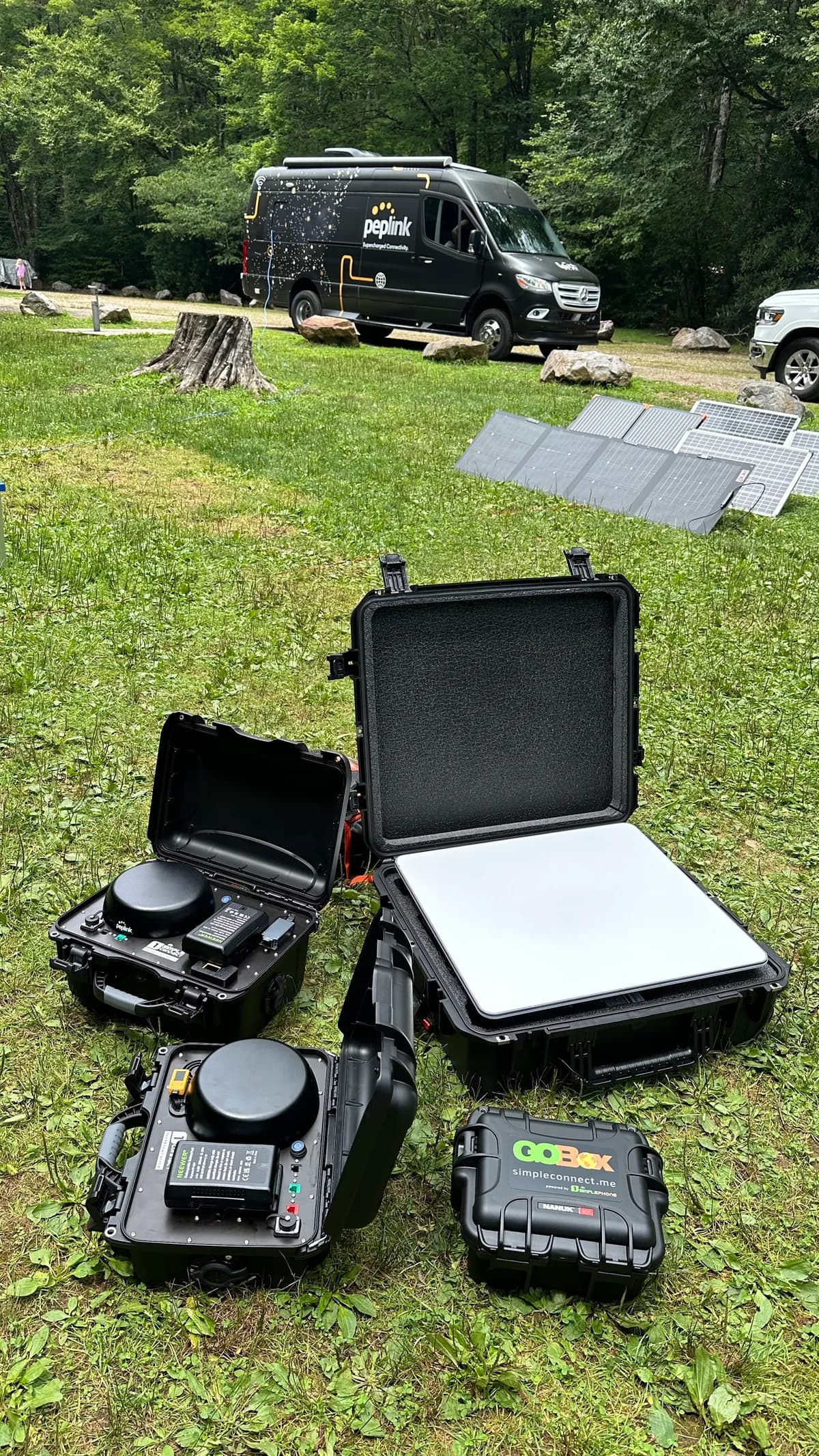
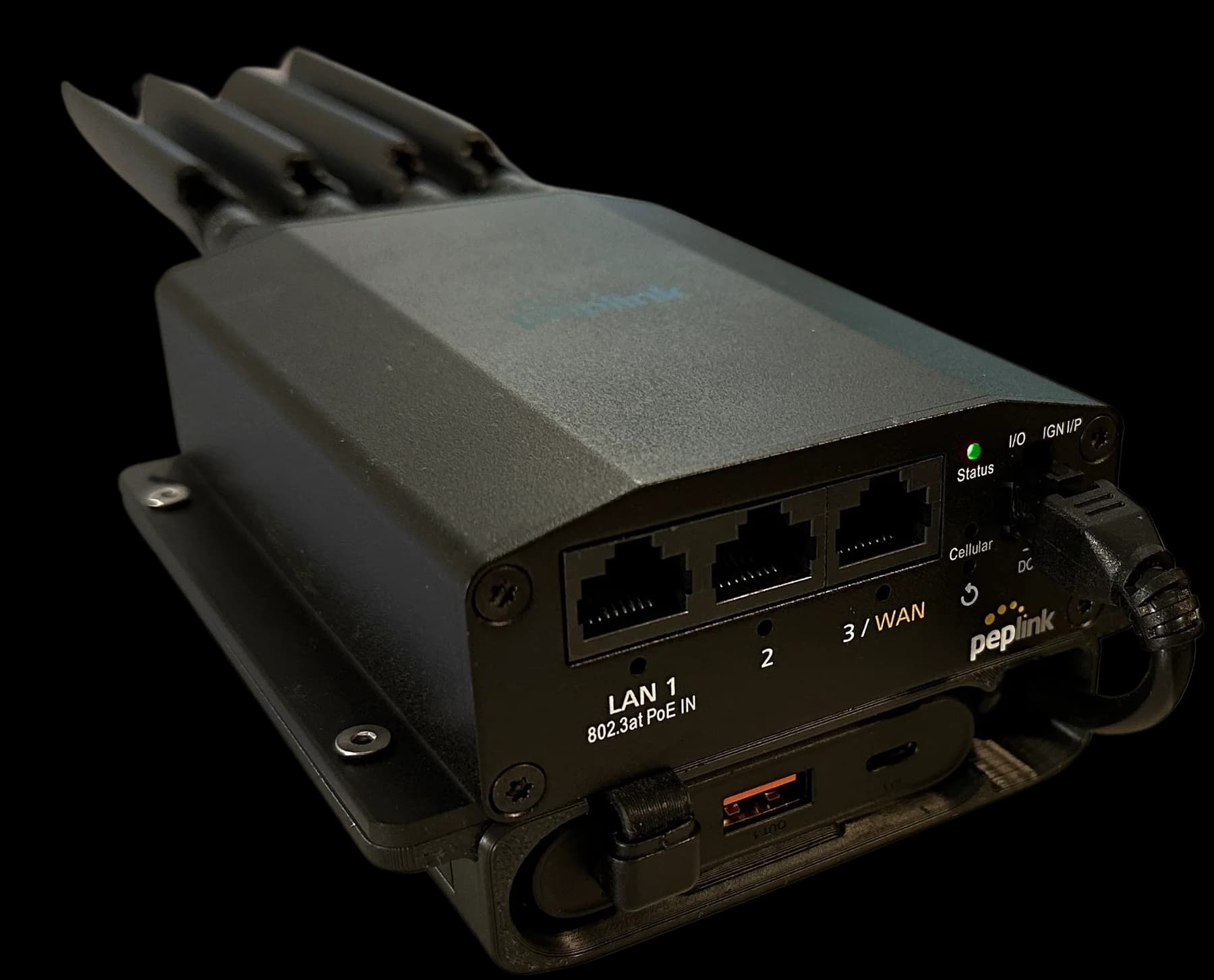
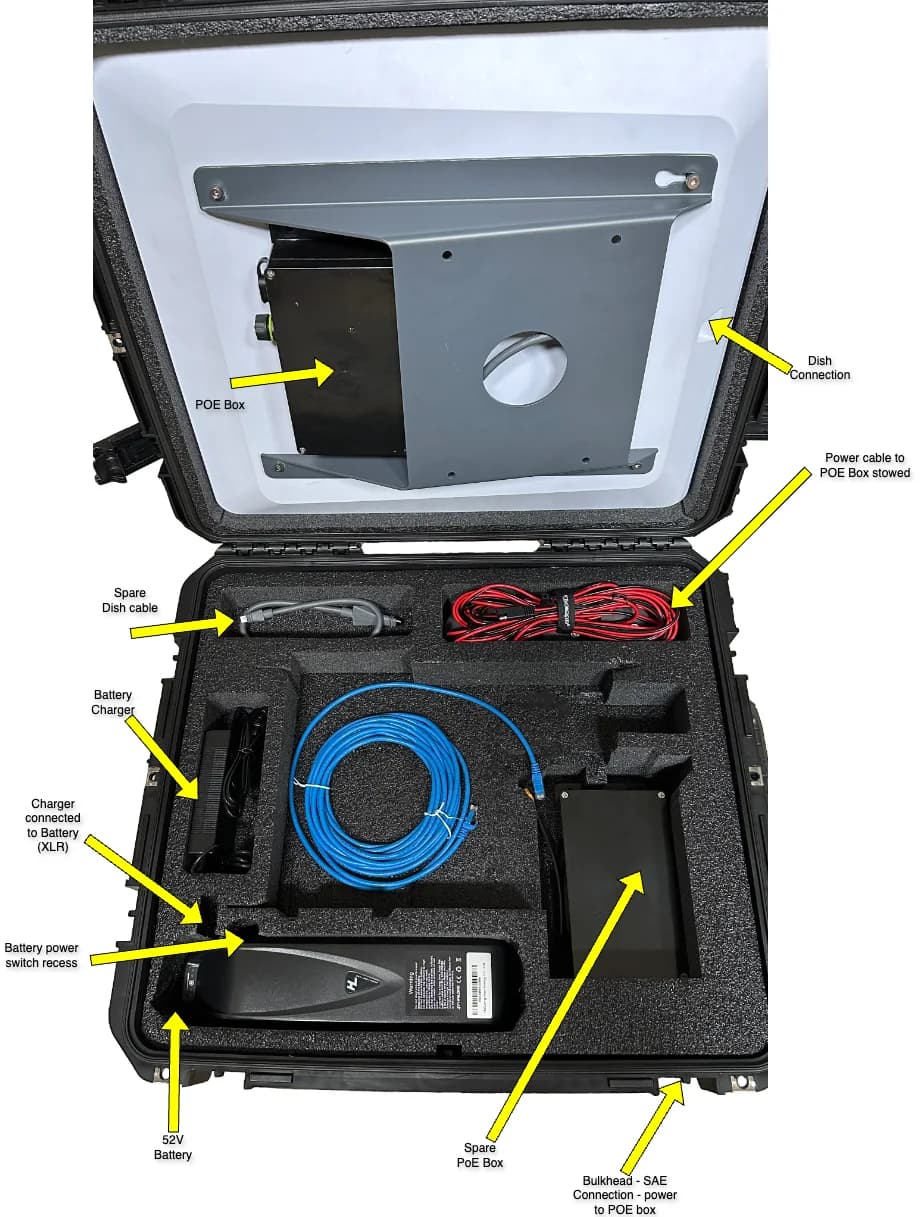
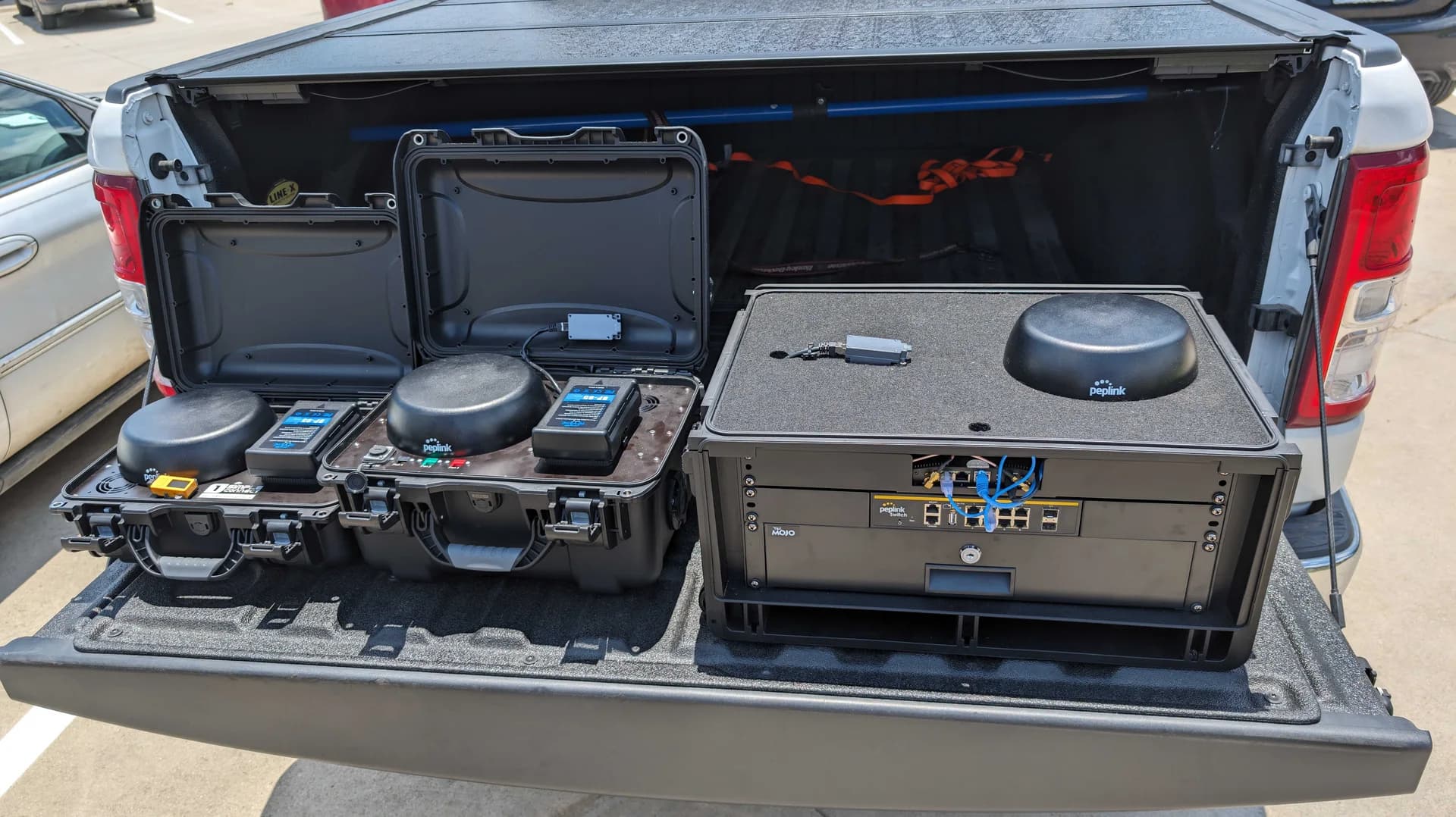
The work crossed industrial design, integration, and field validation. For photos of hardware iterations, deployments, and a short Starlink + Nano demo clip, see the field gallery below.
- Co-developed ruggedized, portable communications systems integrating cellular and satellite connectivity with intelligent failover.
- Designed compact, self-contained units that combine networking, power management, and connectivity into a single deployable platform.
- Engineered systems for rapid deployment, enabling teams to establish secure communications in minutes rather than hours.
- Built in redundancy across connectivity and power to maintain operation in unstable or degraded environments.
- Supported real-world deployment scenarios including public safety operations, remote field work, and disaster response environments.
Outcome
Clients gained the ability to deploy reliable communications in environments where connectivity would otherwise be limited or unavailable.
Systems performed consistently in field conditions, supporting real-time operations and improving coordination across teams.
The approach reduced setup complexity while increasing reliability, allowing teams to focus on operations rather than infrastructure.
Key Takeaway
In high-risk or remote environments, communications must be treated as a system - not a collection of components.
Reliability comes from integrating connectivity, power, and deployment into a single, cohesive design.
Field Gallery
Build, deployment, and real-world usage


If this feels familiar, the next step is getting a clear view of your own environment. If you're facing something similar, start with a Fit Check - or begin the IT Risk & Roadmap Brief when you already want that structured view.